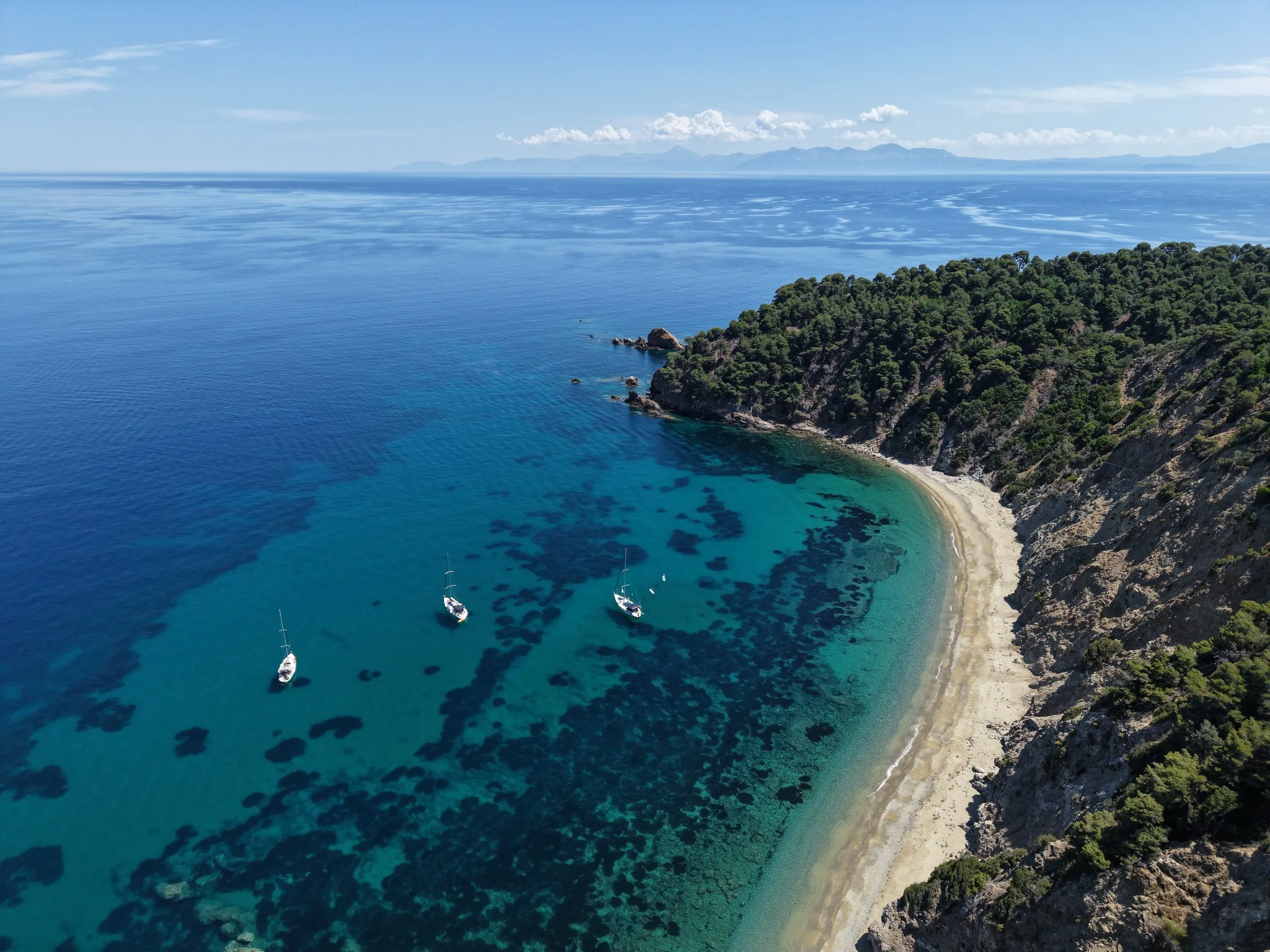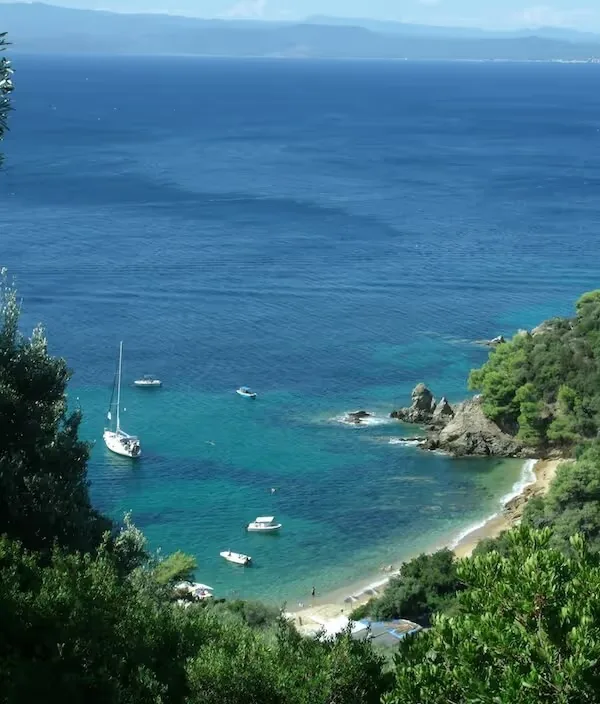
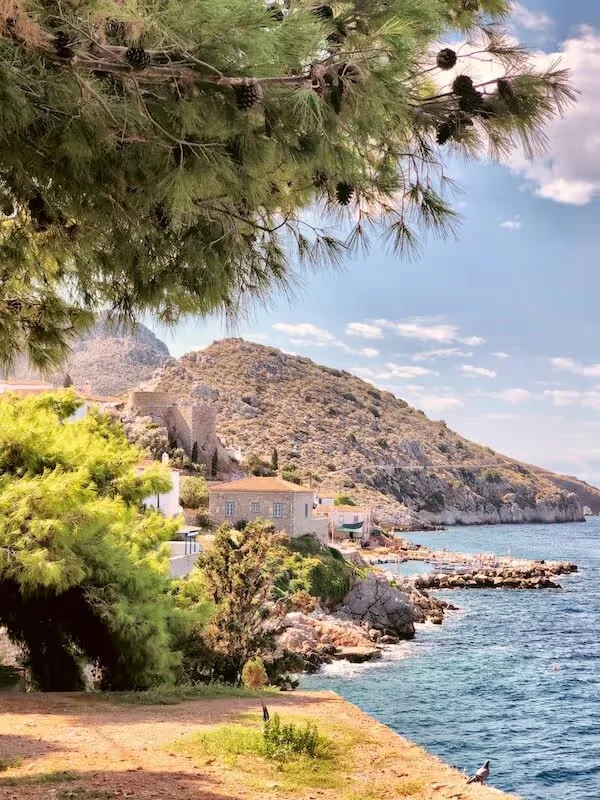
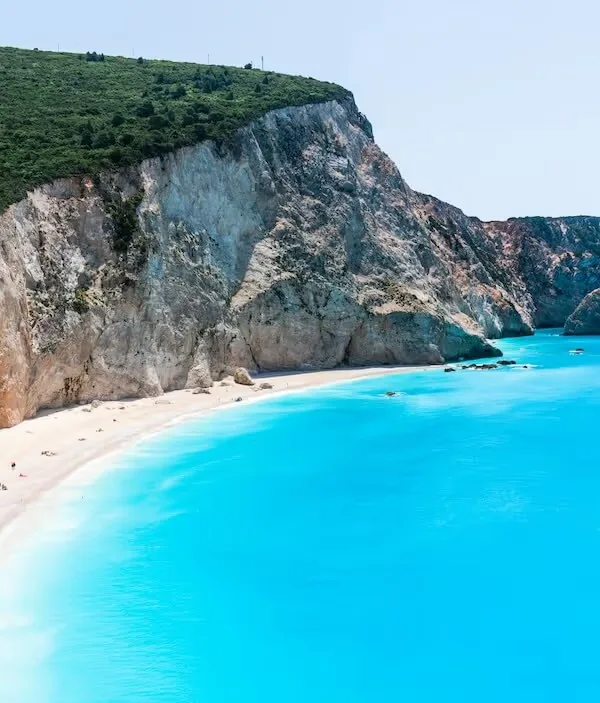

When we think of a summer holiday, most of us automatically think of July and August. That’s what we’re used to: time off work, the school holidays, long queues on the way there and beaches where it’s hard to find room for a towel. Yet people who have been sailing for years often say their best weeks at sea were the ones outside the main season: in late April, in May or in October.
In this article we explain what sailing is like in those months: what the sea and weather are like, what you gain and what you give up, and how to prepare so that a week on board is enjoyable even when it isn’t 35 degrees in the shade.
When is “out of season”, really?
The charter season in Greece generally runs from early May to the end of October, and some boats set sail as early as late April. Within that period there are three quite different parts of the year:
- Pre-season (late April, May, early June) – nature is green, the days are long and the sea is still fresh.
- High season (July and August) – the warmest sea and air, but also the biggest crowds, the highest prices and the strongest summer wind in the Aegean.
- Post-season (September and October) – the sea is still warm, the crowds thin out and prices drop.
When we talk about sailing “out of season”, we mean the edges: late April and May on one side, and October on the other. These are the months many people skip because they think it’s “still cold” or “already cold”, and that’s exactly where the most pleasant surprises are hiding.
The sea: why October is warmer than you think
One of the things that surprises people most is that the sea temperature doesn’t follow the air temperature. Water warms up slowly and cools down slowly, so the sea always lags several weeks behind the weather on land.
In practice, it looks like this:
- In late April and May the sea is only just coming out of winter. The air can be pleasantly warm, but the water is still fresh, roughly 17–20°C depending on the location and the year. Swimming is possible and refreshing, but for most people it’s brief.
- In October the sea has a whole summer of warming behind it. Even as the air cools, especially in the evening, the water cools gradually. In early October it’s often still around 22–23°C, and around 20°C by the end of the month.
In other words, although May and October are similar on paper in terms of air temperature, in October the sea is still warm from the summer, while in May it’s only just waking up from winter. That makes October a far more rewarding month for swimming, especially its first half, which for many people feels like a late summer without the crowds.
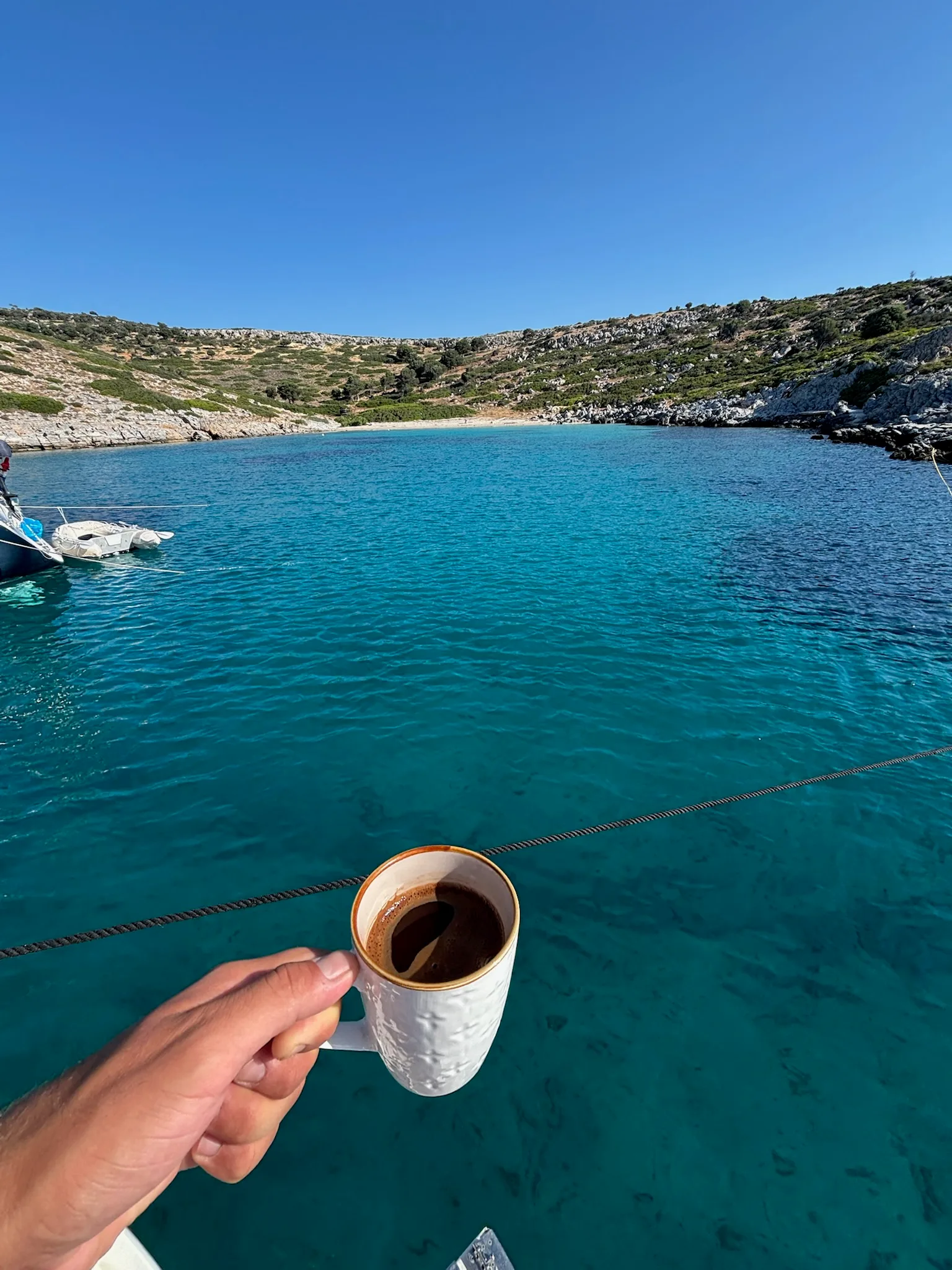
That doesn’t mean you shouldn’t swim in May. A morning dip in clear, fresh water from the stern after a hot coffee can be the best part of the day. Just expect your swims to be shorter.
Daylight and weather: spring gives you more light
If October wins when it comes to the sea, spring wins when it comes to the day. In mid-May Greece gets about 14 hours of daylight, and the sun doesn’t set until around 8.30 in the evening. By mid-October the day is more than three hours shorter, and after the clocks go back at the end of October the sun sets at around six.
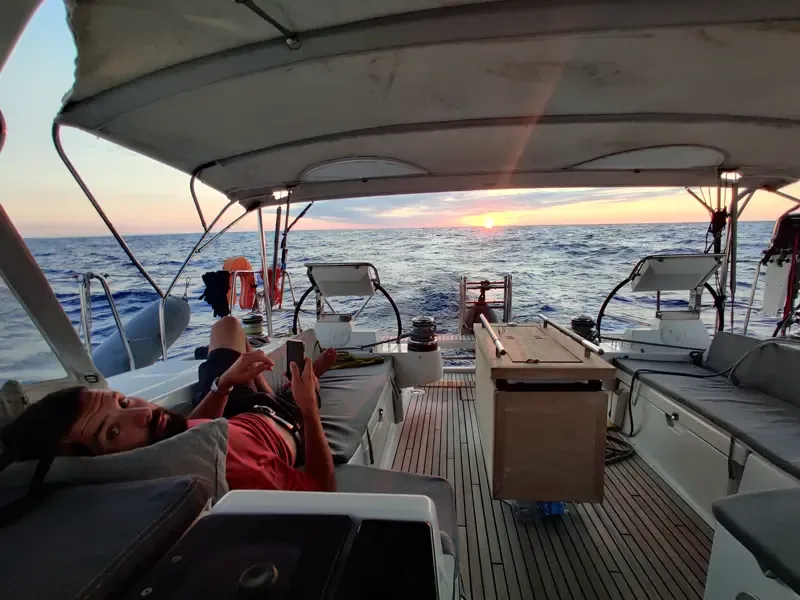
You feel this more on a boat than on land. With a longer day there’s time to sail, swim in a bay and walk around an island, and still reach harbour while it’s light. In October the day is planned a little more carefully: an earlier start, shorter legs and arriving in harbour before dark, followed by a long dinner.
As for the weather, both periods have their own character:
- May is usually stable, sunny and pleasantly warm during the day (around 22–26°C), but evenings and nights at sea are noticeably cooler.
- October starts as an extended summer, and as the month goes on, cloudy days, rain and short storms become more frequent. The days are still mostly warm, but the weather is more changeable than in May.
- The wind is generally more moderate in both periods than in July and August, when the meltemi blows in the Aegean. For many guests that means calmer, more comfortable sailing, and for sailing enthusiasts it often means lovely days with just enough wind for the sails.
One more thing is worth saying: out of season, a flexible plan matters even more. The skipper checks the forecast every day and, if worse weather is expected, the route is adapted, with the day spent in a sheltered harbour, on an island excursion or in a taverna instead of sailing.
Prices and crowds: an advantage you notice right away
The most concrete difference between high season and out of season is the price. Boat hire in May or October is considerably lower than in July and August, and the difference is often big enough that the same money gets you a larger or newer boat, or a catamaran instead of a monohull. Since the cost is shared by the whole crew, the saving per person is very real.
Besides the price of the boat, some of the other costs and stress fall away too:
- Marinas and harbours are empty. In high season, boats in popular harbours are often looking for a berth from early afternoon. In May and October there’s almost always space, so there’s no rush to get there before everyone else.
- The bays are all yours. Places where twenty boats are anchored in August are often shared by just two or three in October.
- Tavernas aren’t packed. It’s easier to get a table, and the owners have more time to chat and make recommendations.
- Getting to the sea is easier. There’s none of the summer traffic on the way, and flights are often cheaper too.
For many guests, this peace and quiet becomes the main reason to come back out of season. Islands like Skiathos and Skopelos are lively and loud in August, but in May and October they take on the rhythm of small fishing towns, which is what they were before tourism.
Fishing: it makes more sense out of season
For those who love fishing, late spring and autumn are probably the best time of year to sail. In summer the sea is warm and full of swimmers, boats and noisy speedboats, so the fish retreat to deeper, quieter water. Out of season the sea is quiet, and the fish are more active and closer to the shore.
There are several ways to fish from a sailing yacht:
- Fishing from the boat at anchor, in a bay, in the morning or towards evening – the simplest and most relaxed option.
- Trolling while under way – while the boat sails gently along, a lure is towed behind the stern. Autumn is especially known for shoals of pelagic fish, so this often brings in something for dinner.
- Evening squid fishing in harbour or at anchor, under a light, a favourite autumn pastime for many crews.
Skippers often know the good spots and are happy to share advice, and a fish you caught yourself, cooked on board or taken to a nearby taverna to be grilled, is one of those moments you remember forever.
Before you travel, it’s a good idea to check the current rules for recreational fishing in Greece and to keep in mind that special restrictions apply in protected areas, such as the Alonissos National Marine Park in the Sporades. You can bring your gear from home: a trolling rod, a few lures and basic squid tackle take up very little space.
A few more reasons people don’t expect
No scorching heat. In July and August the midday sun on deck can be exhausting, especially for children and older guests. In May and October the day is warm but not draining, so you spend more of it being active: on deck, out walking or on an excursion.
The islands are green and alive. In spring the Sporades and the Ionian Islands are full of flowers and greenery, and pine forests run right down to the sea. It’s the ideal time for hiking, for example along the trails of Skopelos or through villages in the islands’ interior, which is almost impossible in the August heat.
Autumn has its own flavour. October is the time of the grape and olive harvests. In many places new wine and oil are being made, and tavernas serve seasonal dishes, fresh fish and squid.
The light is more beautiful. The lower sun and clearer air give a soft, warm light throughout the day. If you like photography, you’ll notice the difference.
A week away without using up all your leave. Spring and autumn have a practical advantage: depending on where you live, public holidays around Easter, in early May or in October can let you fit in a week at sea with fewer days off. Orthodox Easter, which often falls on a different date from Western Easter, is celebrated with great ceremony in Greece, with liturgies, processions and shared meals outdoors, so it’s an experience in itself. Just bear in mind that there are more domestic tourists around then, and that some shops and services close on the day itself.
Local life. Out of season the islands live for themselves, not just for tourists. Fishermen mend their nets in the harbour, locals sit in the cafés, and a conversation with the taverna owner often lasts longer than dinner.
What to watch out for
Sailing out of season has many advantages, but to keep your expectations realistic, it’s good to know the other side too:
- The evenings are cooler. At sea the temperature drops quickly after sunset, and the wind is colder than on land. Dinner in the cockpit is still possible, but with a sweatshirt or jacket.
- The weather is more changeable, especially in late October and late April. You may get the odd rainy day or a day when the wind keeps you in harbour, so it’s best not to get attached to a strictly fixed route.
- Some island facilities are closed. Beach bars and some restaurants and shops only open in May and close during October. Larger towns always have tavernas and shops open, but on smaller islands the choice is more modest.
- The sea is fresh in spring. If you really want long swims and diving, you’ll be happier in September or early October than in late April.
- Ferries and flights run less often out of season, which matters if someone in the crew is joining or leaving on one of the islands.
What to pack for a week on board out of season
Packing isn’t very different from summer, but a few things make a big difference:
- Layers – T-shirts for the day, a sweatshirt or fleece for the evening, long trousers.
- A light windbreaker or waterproof jacket – for evenings, windy days and possible rain.
- Closed shoes as well as sandals and boat shoes, with light soles that don’t leave marks on the deck.
- A shorty wetsuit for those who feel the cold in the water, especially in May.
- A hat and fingerless gloves if you’re planning night or early morning fishing in October.
- Sunscreen – the sun is weaker than in August, but on the water it’s still easy to burn.
- A soft bag instead of a hard suitcase, as always on a boat.
If you’re not sure what you’ll need for a particular week, your skipper or agency will gladly tell you what forecast to expect before you leave.
May or October – which to choose?
There’s no wrong choice, only different priorities:
- Choose late April or May if what matters most is long daylight, green landscapes, walks around the islands, more stable weather and perhaps fitting the trip around a public holiday. The sea will be fresh, so swims are shorter.
- Choose October if you care more about a warmer sea, swimming in almost empty bays, fishing and the autumn atmosphere of the islands. The days are shorter and the weather more changeable towards the end of the month.
- If you want something in between, late May and early June, or September and the first half of October, offer a good compromise: a pleasant sea, still lower prices and far fewer people than in August.
Finally
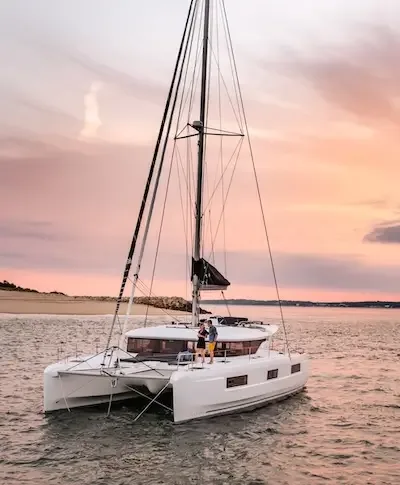
Sailing out of season isn’t a backup plan for your holiday, but a completely different experience of the sea. It’s calmer, cheaper and more personal, and for many people it’s when Greece shows its most beautiful side: quiet harbours, empty bays, fishermen on the pier and tavernas where they remember you by your second visit.
All it takes is a little more flexibility, one extra jacket in your bag and a willingness to adapt the plan to the weather. In return, you get the sea as hardly anyone sees it in August.
If you’re thinking about a week in May or October and aren’t sure what to expect on a particular route, feel free to write to us – we’re happy to share what we’ve learned from previous seasons.